It

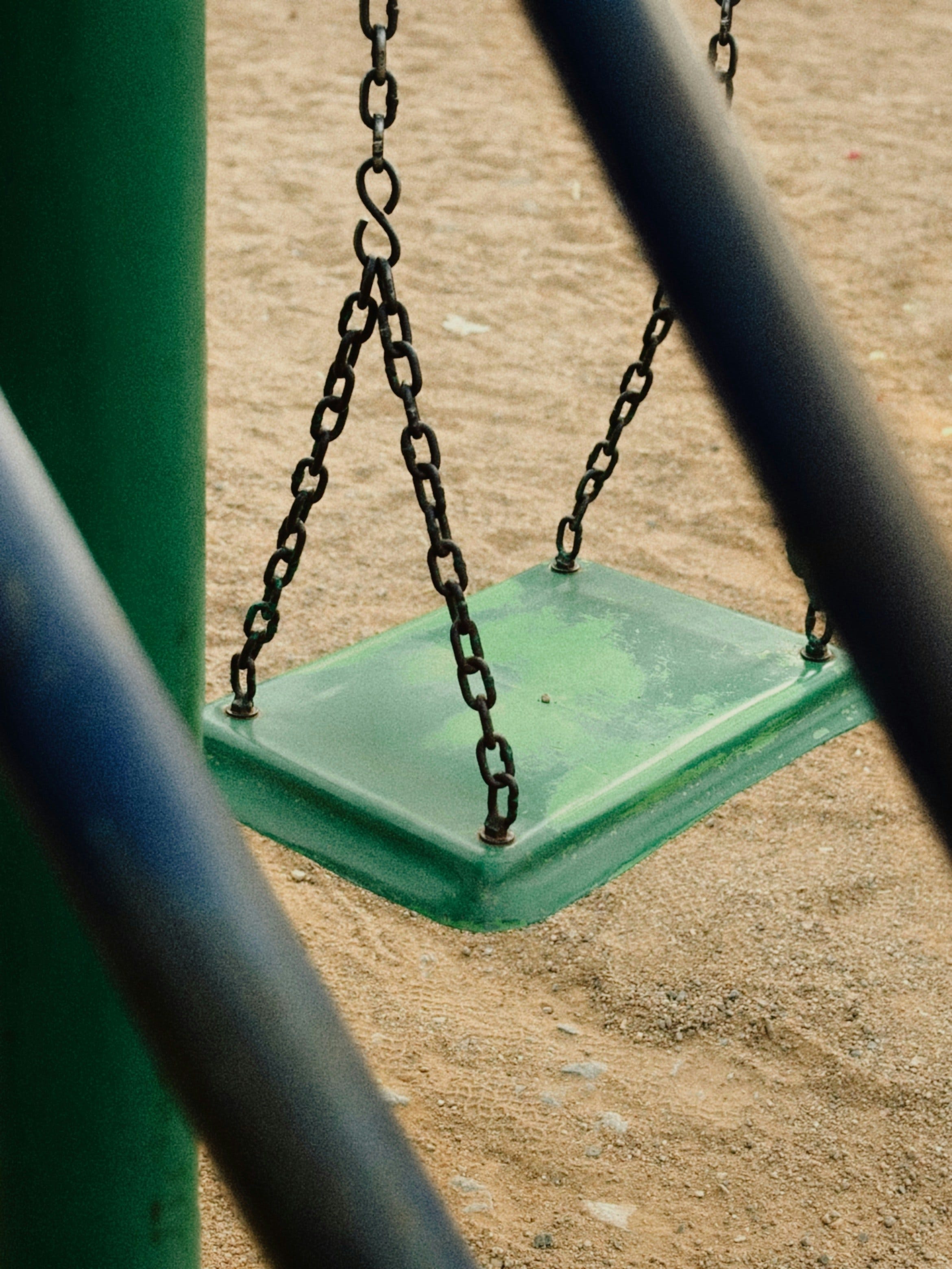
Sometimes I’d pick up things as I walked home from the hospital and place them on the low stone wall in our backyard. Someone said I was making an altar and maybe they were right, but there was something about picking little things up and putting them down again that somehow helped me feel better. There were stones and feathers and old postcards and marbles out there, as well as a set of dice, a Troll doll, keys, a coin purse with some loose change, dried flowers, a dog tag, and an old Zippo lighter. Once I found the tiniest little flip flop under the swings in Precita Park and brought it tearfully home.
I knew I’d eventually burn out because I’d be unable to let it go. The picture-making part of my brain would constantly replay scenes of young men dying of AIDS, their mothers and fathers and lovers and friends in tears, others passing with no one there but the staff, the kindly strangers, who’d afterwards leave the room and quietly wash their hands.
I’d heard Stephen Levine, who’d written and taught so much about death and dying, say that the greatest tragedy of the AIDS epidemic was that it took the lives of so many young people and it was, indeed, the great lament that I heard over and over.
“It’s not fair, it’s not fair,” and it wasn’t fair.
But what was fair?
Nothing.
When I finally got home and came in the front door, my partner would be making dinner, the television on in the background, but I wasn’t really there. I was still back in those rooms. I’d sit down to eat and my boyfriend would tell me about his day, but I wasn’t really listening. Maybe I needed to meditate, see my therapist more, try anti-depressants, read poetry, write poetry, cry, scream, throw things, take a day off, pray, jog, eat less, move more, breathe in, breathe out, but on days when it all followed me home I couldn’t imagine what would help.
So I just sat with It, ate with It, watched tv with It, laid down with It, slept with It, looked into the night sky with It, and talked to It until It finally went away, back to where It came from.
There is something quietly devastating in the way grief follows us home and enters the ordinary rooms of our lives. The small objects placed on that wall feel less like an altar to death than an attempt to give unbearable sorrow somewhere to rest.
Stunning capture of the importance and significance of objects, collecting, holding, and, perhaps a sense of releasing. Much love.